.svg)
Building the knowledge Indigenous workplace safety depends on.
We conducts Indigenous-led occupational health and safety research that helps communities, workers, and partners better understand workplace realities, prevention needs, and pathways toward safer working conditions, while building evidence that can support communities in accessing additional funding and resources.
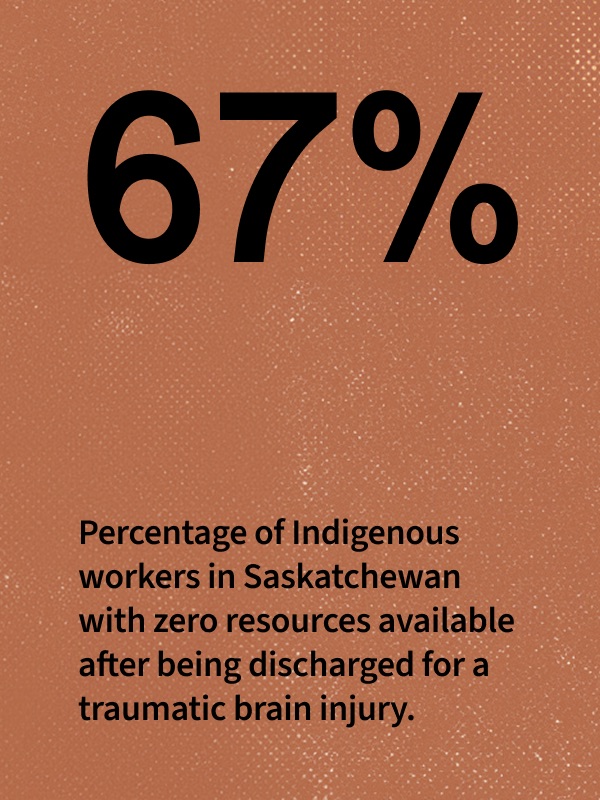
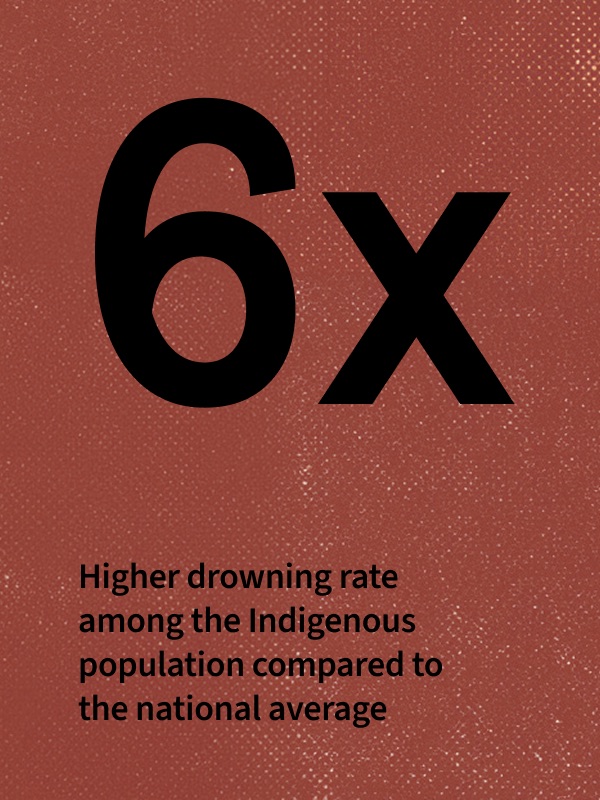
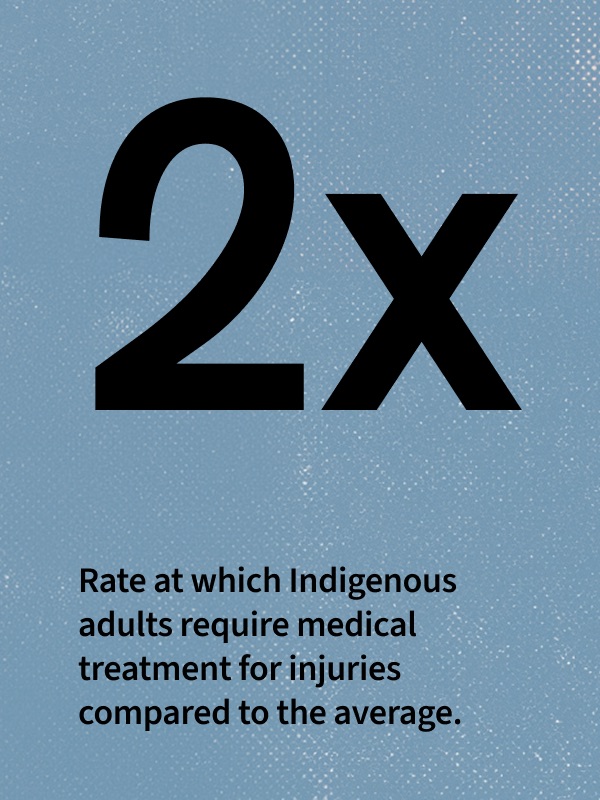
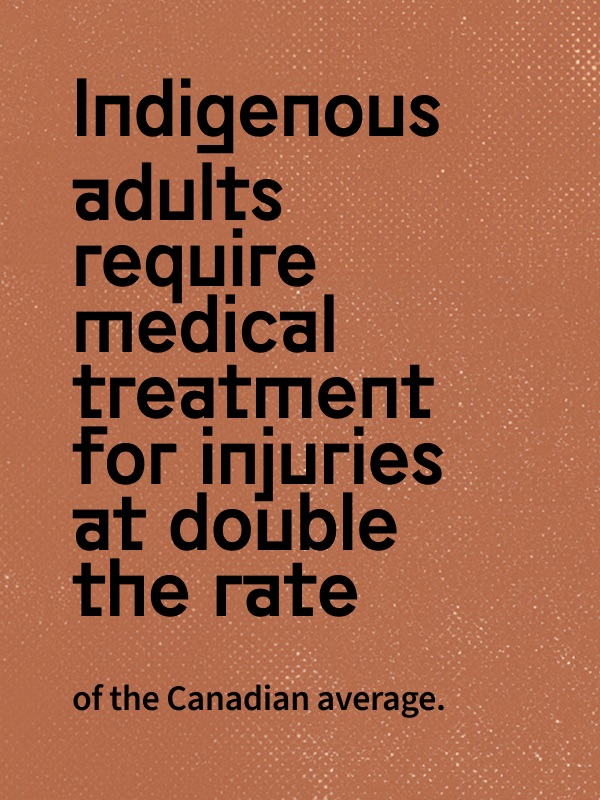

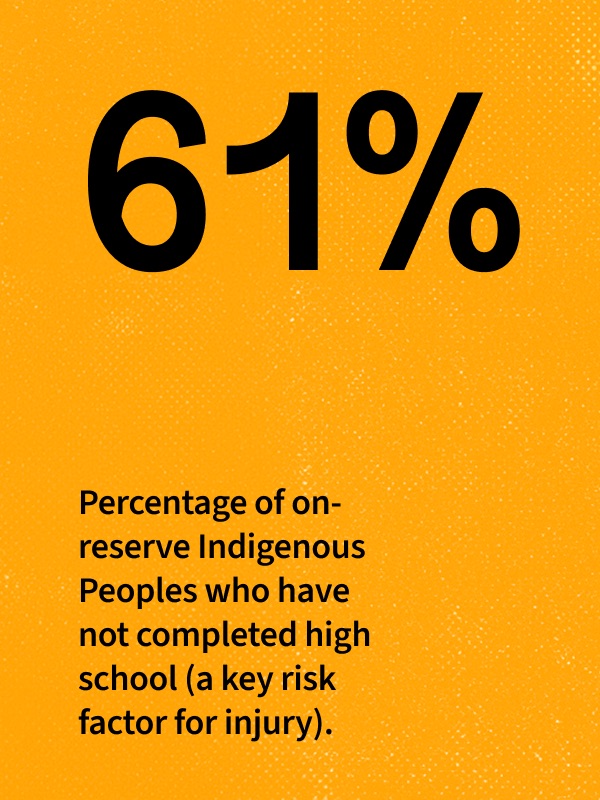
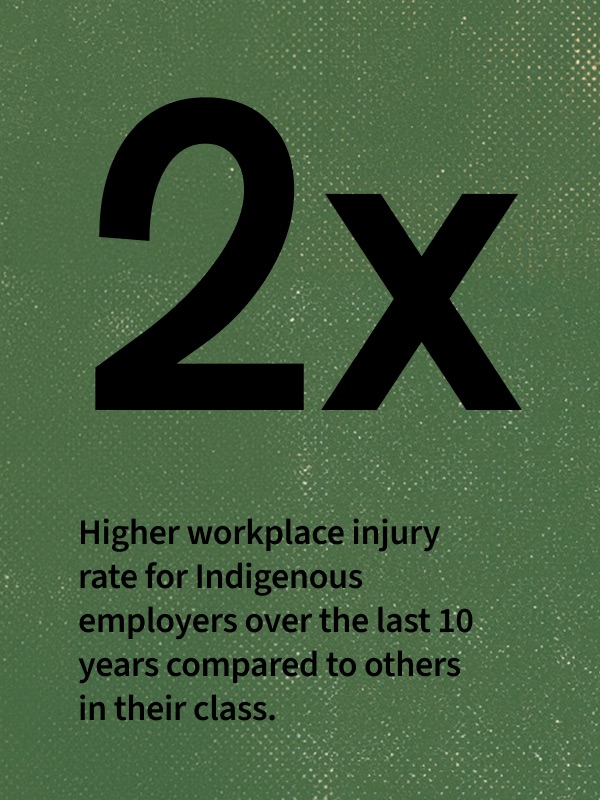
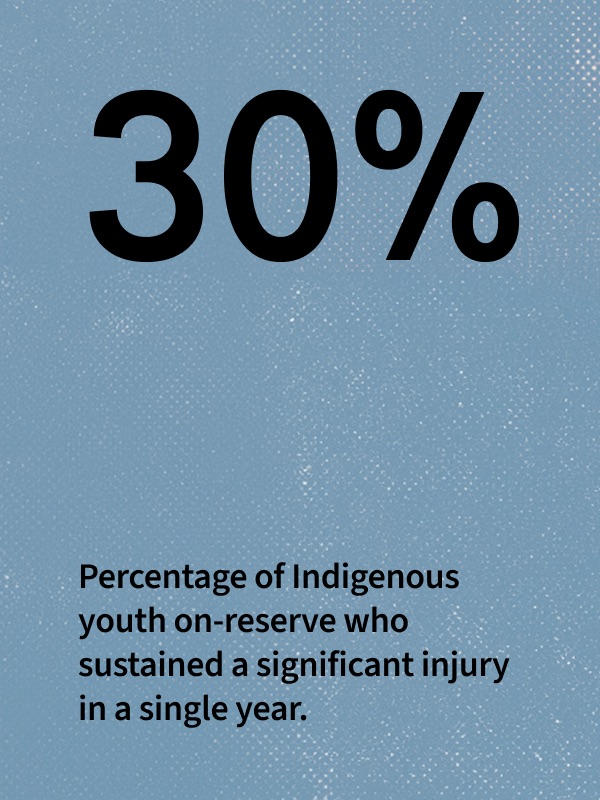
We do not study.
We partner.
We approach research through relationship, consent, and shared purpose. Each project begins by listening to community priorities and understanding the questions that matter most to the people involved.
Research is developed with communities, not imposed on them. This approach helps ensure that findings reflect real experiences, respect Indigenous knowledge, and return value to the communities who make the work possible.
Focused on the conditions that shape Indigenous worker safety.
Our research explores the workplace, community, cultural, and systemic factors that influence occupational health and safety for Indigenous workers.
Understanding risks before harm occurs.
Research focused on injury prevention, workplace hazards, safety systems, and the conditions that affect how Indigenous workers experience risk on the job.

Supporting physical and mental wellbeing.
Research that examines the physical, mental, and emotional dimensions of work, including how workplace environments affect long-term wellbeing.

Seeing the full context around work.
Research that considers how housing, transportation, culture, environment, and community infrastructure shape workplace health and safety outcomes.

Bringing Indigenous ways of knowing into safety research.
Research based in traditional knowledge, community leadership, and Indigenous approaches to prevention, including the National Prevention Safety Officer Program.
Research shaped by worker experience and community priorities.
We study occupational health and safety through a broad lens, recognizing that workplace safety is shaped by more than policies, procedures, and physical conditions alone.
Worker Wellbeing
Exploring the conditions that influence the overall health and wellbeing of Indigenous workers throughout their working lives.
Workplace Safety
Studying workplace environments to better understand risks, prevent injury, and create safer ways of working.
Community Factors
Understanding how life beyond the workplace shapes the health and safety experiences of Indigenous workers.
Indigenous Knowledge
Supporting research approaches that respect Indigenous ways of knowing, community leadership, and cultural responsibility.
Worker Experiences
Listening to the voices of Indigenous workers to better understand the realities they face at work.
Occupational Health
Examining the physical and long-term health impacts of work to support healthier working environments for Indigenous workers.
Workplace Systems
Exploring how policies, practices, and workplace structures influence the health and safety of Indigenous workers.
Prevention
Identifying practical approaches that help prevent harm, reduce risk, and improve health and safety outcomes.
A process built on partnership, care, and return.
We follows a research process that keeps communities involved from the earliest conversations through to the return of findings. Each step is designed to support trust, transparency, and meaningful outcomes.
1. Partnership
We build relationships with partners, listen to their priorities, and establish a shared understanding of the project’s goals and values.
2. Planning
We define the research questions, process, timelines, and responsibilities needed to move forward with the project.
3. Gathering
Information is gathered through respectful research methods that reflect the project goals and the experiences of the people involved.
4. Analysis
Findings are reviewed and interpreted with attention to Indigenous knowledge, community context, and workplace realities.
5. Sharing
Research findings are returned in clear and useful ways so communities can understand, use, and share the knowledge created.
6. Action
Research helps guide decisions, strengthen prevention efforts, and support safer workplaces for Indigenous workers and communities.
Indigenous knowledge belongs with Indigenous communities.
Our work follows research principles that protect community knowledge, uphold consent, and support Indigenous data sovereignty. It is guided by OCAP® principles, which recognize community rights to ownership, control, access, and possession of data.
These principles shape every stage of the research process, from early conversations to research agreements, data collection, analysis, and knowledge sharing. Communities must understand how information will be used, how it will be protected, and how findings will return to them.

Are you an Indigenous, Inuit, or Métis worker?
All indigenous workers in Canada are invited to join the National Committee on Indigenous Labour. Stay up to date on workers’ rights and contribute your experience to our research.